A standard deck of playing cards is the perfect portable, zero-distraction alternative to smartphone doomscrolling. It acts as a tactile fidget tool, unlocks a massive ecosystem of ad-free solo games, and serves as a physical “social firewall” to keep your friends off their screens at the bar. It requires zero battery, costs almost nothing, and will never ask for your email address.
I was sitting at Lava Diner waiting for a friend to arrive. He texted that he was running 15 minutes late due to traffic on the Cross Island.
Frankly, I had already spent the morning researching a new post for my pickleball blog. That meant lots of tabs open and premature eye fatigue. So instead of more screen time, I reached into my coat pocket and grabbed a battered blue cardboard box.
I popped the flap and slid out fifty-two pieces of plastic-coated cardstock. I set them on the Formica table, cut the deck, and started a riffle shuffle. The crisp, rhythmic zzt-zzt-zzt of the cards bridging together immediately drew a look from the guy sitting at the counter.
Whatever.
We spend so much time and money obsessing over high-tech minimalism. We buy $400 dumbphones. We flash custom firmware onto obscure e-ink readers. We install aggressive website blockers that treat us like children. We do all of this because we desperately want to reclaim our attention from a digital economy designed to mine it.
But sometimes, the most radical Slow Tech move is to reject the screen entirely. The greatest portable, multi-game, zero-distraction computer in human history has been sitting in your junk drawer this whole time. It costs about three dollars (unless you get fancy, and you can!), it requires zero software updates, and it will never ask for your email address.
Let’s review the standard deck of playing cards.
The Specs (Or Why Analog Hardware Wins)
- Product: Bicycle Standard Playing Cards (Poker Size)
- Release Date: ~1885
- Battery Life: N/A
- Latency: 0ms (True 1:1 physical feedback)
- Weight: ~95 grams (Easier to carry than an iPhone Pro Max)
- Distraction Level: 1%
- Price: ~$3.00 to $20.00
Why Playing Cards Are the Ultimate Slow Tech Tool
If you look at how we use our smartphones during micro-downtimes…waiting in line, sitting on a train, parading for a coffee…we aren’t usually doing deep, meaningful work. We are doing two things: fidgeting and seeking distraction. OK, and maybe occasionally avoiding other human beings.
A deck of cards replaces both without charging an Attention Tax.
The Ultimate Tactile Fidget Spinner
Before you even deal a single game, a deck of cards is a world-class kinetic tool. The “Air-Cushion” finish on a fresh deck of Bicycles gives them a specific, powdery slip that feels incredible in the hands.
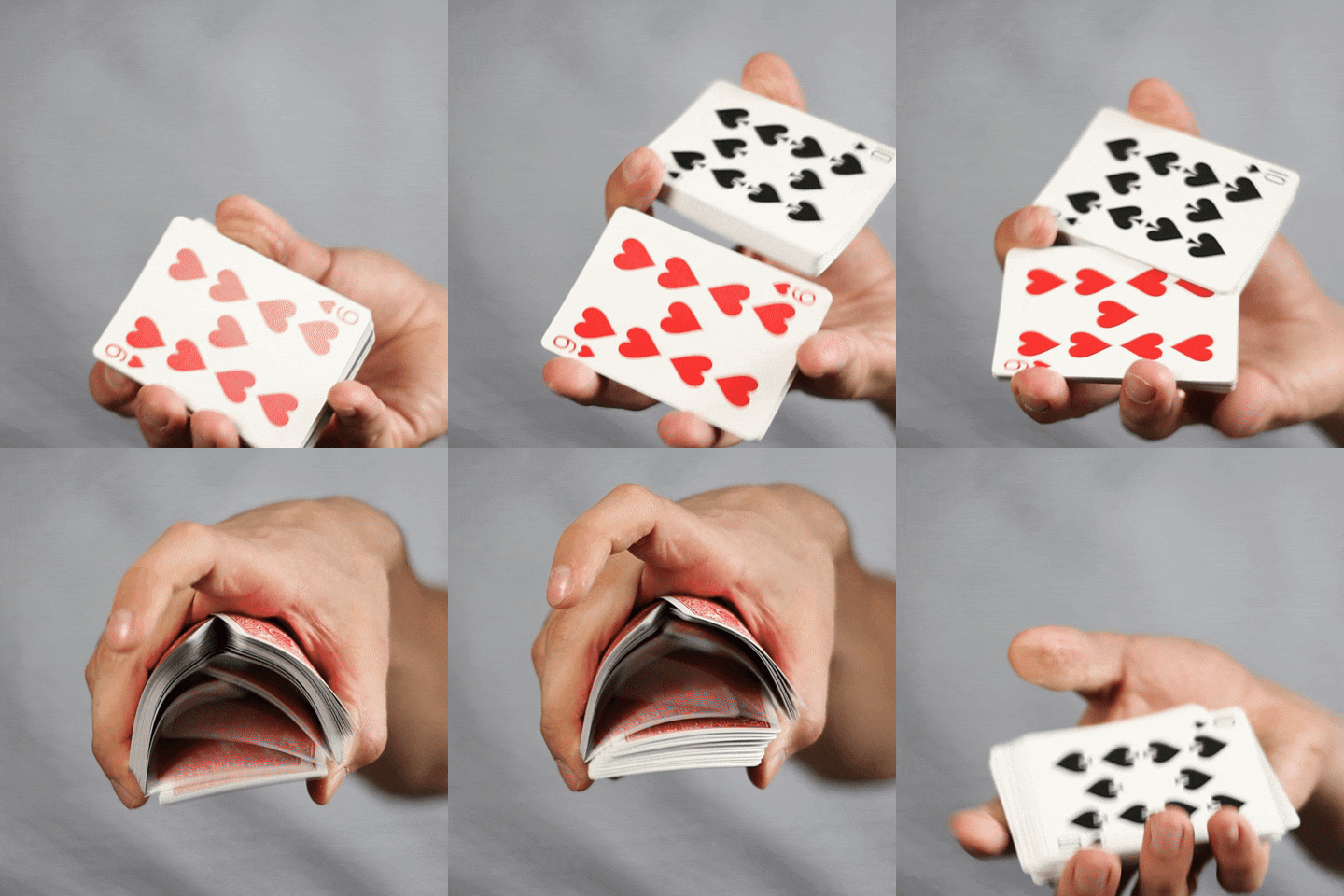
Learning to do a clean riffle shuffle, an overhand shuffle, or a basic one-handed cut forces your hands to do micro-mechanical work while your brain rests. Unlike mindless scrolling, which floods your nervous system with cortisol and micro-stimuli, shuffling cards induces a rhythmic, parasympathetic flow state. It is a physiological reset button you can carry in your pocket.
Killing the “Freemium” Mobile Game Trap
Have you tried playing Solitaire on an iPhone lately? It is a nightmare of forced ads. They gamify the colors, add flashing banners, and try to sell you “hints” for $1.99. Nah.
When you play analog cards, the game is all yours. There is no algorithm adjusting the difficulty to maximize your engagement. And you don’t have to wonder if the House stacked the odds. If you win, it’s because the math and your choices worked out. Or you were just lucky!
The Solo Engine: 2 Offline Games That Beat Doomscrolling
You don’t need a poker night to justify carrying a deck. The solo gaming ecosystem for a 52-card deck is massive, highly strategic, and deeply immersive once you step past basic Solitaire.
Klondike (The Reset Button)
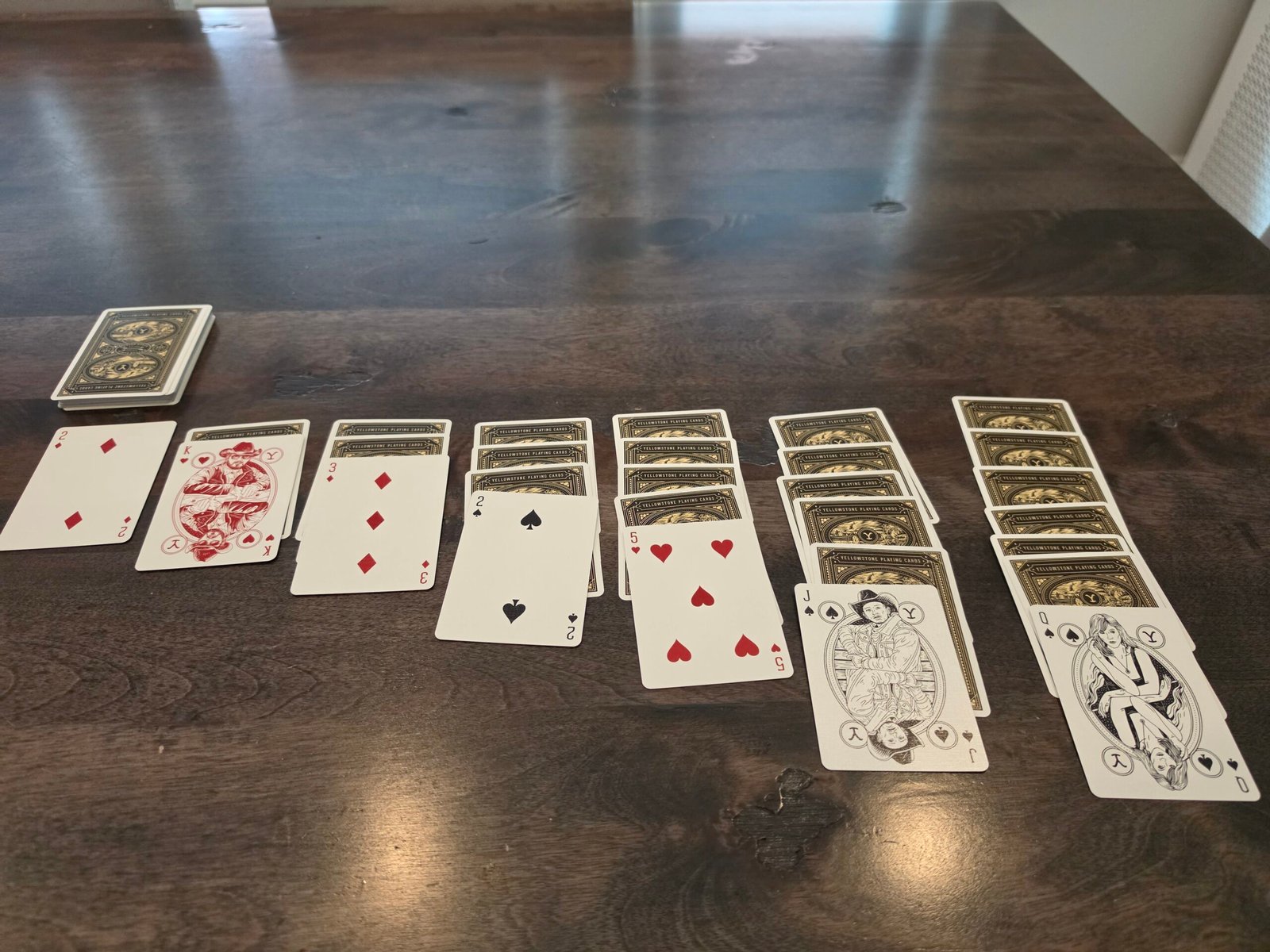
This is the classic Solitaire everyone knows, but playing it physically changes the psychology of the game. On a computer, auto-complete and instant card-snapping make the game passive. When you play on a desk or a bar top, the sheer physical act of laying out the seven columns slows your breathing. It takes spatial awareness. It creates a temporary, sacred barrier around your desk where nobody will bother you because you look deep in thought.
Scoundrel (The Analog Dungeon Crawler)
If you are a nerd who misses rogue-like video games like Slay the Spire, you need to learn Scoundrel. It turns a standard deck of cards into an offline, grid-based dungeon crawler.
- The Setup: You remove the red face cards (they don’t exist here).
- The Rules: Clubs and Spades are Monsters you have to fight. Diamonds are Weapons you equip. Hearts are Health Potions that heal you.
- The Gameplay: You deal four cards face up—this is the “room” of the dungeon. You must interact with three of the four cards (fight a monster, drink a potion, equip a sword) before you can flee to the next room.
It takes three minutes to learn, fits on an airline tray table, and provides ten times more brain-engaging tension than any mobile app on the App Store.
The Social Firewall: Changing the Gravity of a Room
We have all been at a pub or a coffee shop with three good friends, and suddenly, there is a lull in the conversation. What happens? Like clockwork, three hands reach into three pockets. Four heads drop down. The room goes silent as everyone checks their respective digital carnival.
A deck of cards acts as a social firewall against this Pavlovian habit.
When you drop a deck of cards onto the middle of a table, you change the physical gravity of the gathering. It is an invitation to shared, localized attention. You don’t even need to play a complex game of Bridge or Poker. Simple, low-stakes games like Rummy, Spades, or even Cheat (Bullshit) give your eyes something to look at and your hands something to do while the conversation flows naturally.
There is no screen to hide behind. Nobody is checking their Slack notifications when it’s their turn to cut the deck.
Pros & Cons of Analog Playing Cards
Pros:
- Unbeatable Value: At three dollars a pack, it is the highest value-to-cost entertainment ratio on the planet. If you drop them in a puddle, you aren’t out $400; you walk into a bodega and buy another pack.
- Universal Compatibility: Literally every human on earth knows what a deck of cards is. You don’t have to explain controls, sync Bluetooth, or send a calendar invite to play a game with a stranger.
- Zero Attention Mining: No notifications, no ads, no user tracking, no screen glare.
- Physical Permanence: A deck of cards ages with you. The edges soften, the box creases, and it gains character the more you use it.
Cons:
- Spatial Requirements: You need a flat, relatively clean surface to play almost any game. You can’t easily play Solitaire while standing on a crowded subway car.
- Wind is the Enemy: Unlike an e-reader or a smartphone, a gust of wind on a beach or a park bench can turn a relaxing solo game into an embarrassing sprint across the grass.
- The Learning Curve: There is no tutorial pop-up to hold your hand. You actually have to read rules, remember card hierarchies, and do basic mental math.
The Verdict
We are living in an era where tech companies are aggressively trying to insert a screen, a subscription, or an AI algorithm into every single second of our human existence. They want us to believe that an un-optimized moment is a wasted moment.
Reject the premise. Next time you pack your bag or leave the house, throw a three-dollar box of Bicycle cards into your pocket.
When the downtime hits, don’t reach for the glowing rectangle. Deal the cards. Shuffle the deck. Feel the weight of the paper in your hands, and let your brain enjoy the quiet, analog peace of a game that doesn’t care if you’re connected to the internet.
Frequently Asked Questions
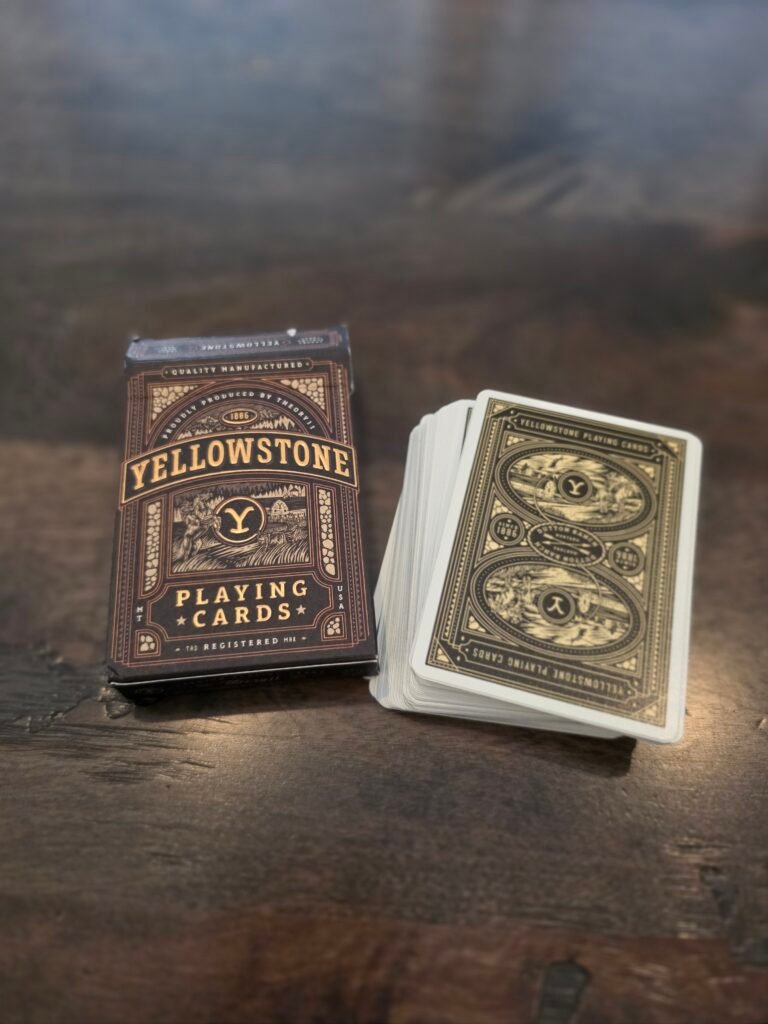
What is the best deck of playing cards for everyday carry (EDC)? You cannot beat the standard Bicycle Rider Back 808s (Poker Size). The United States Playing Card Company manufactures them with an “Air-Cushion” finish that makes them durable, easy to shuffle, and resistant to clumping. Plus, because they cost under $4, you never have to worry about ruining them.
Why are playing cards good for a digital detox? Playing cards replace the mechanical habit of smartphone scrolling—the “fidget” aspect—without delivering the cortisol spikes, advertisements, or algorithmic rabbit holes of digital media. Shuffling and dealing engage your motor skills and spatial awareness, promoting a calm, focused flow state.
Can you really play solo games with a standard deck of cards besides Solitaire? Yes. Beyond standard Klondike Solitaire, there is a massive community of analog solo gamers who play strategy games like Scoundrel (a rogue-like dungeon crawler), Accordion, Clock Solitaire, and Grid Solitaire using only a standard 52-card deck.
How long does a paper deck of cards last? With daily use and casual shuffling, a standard plastic-coated paper deck will last about 1 to 3 months before the cards lose their snap and absorb too much hand oil. If you want a deck that lasts for years, look into 100% plastic cards like KEM or Copag, though they lack the classic paper feel.