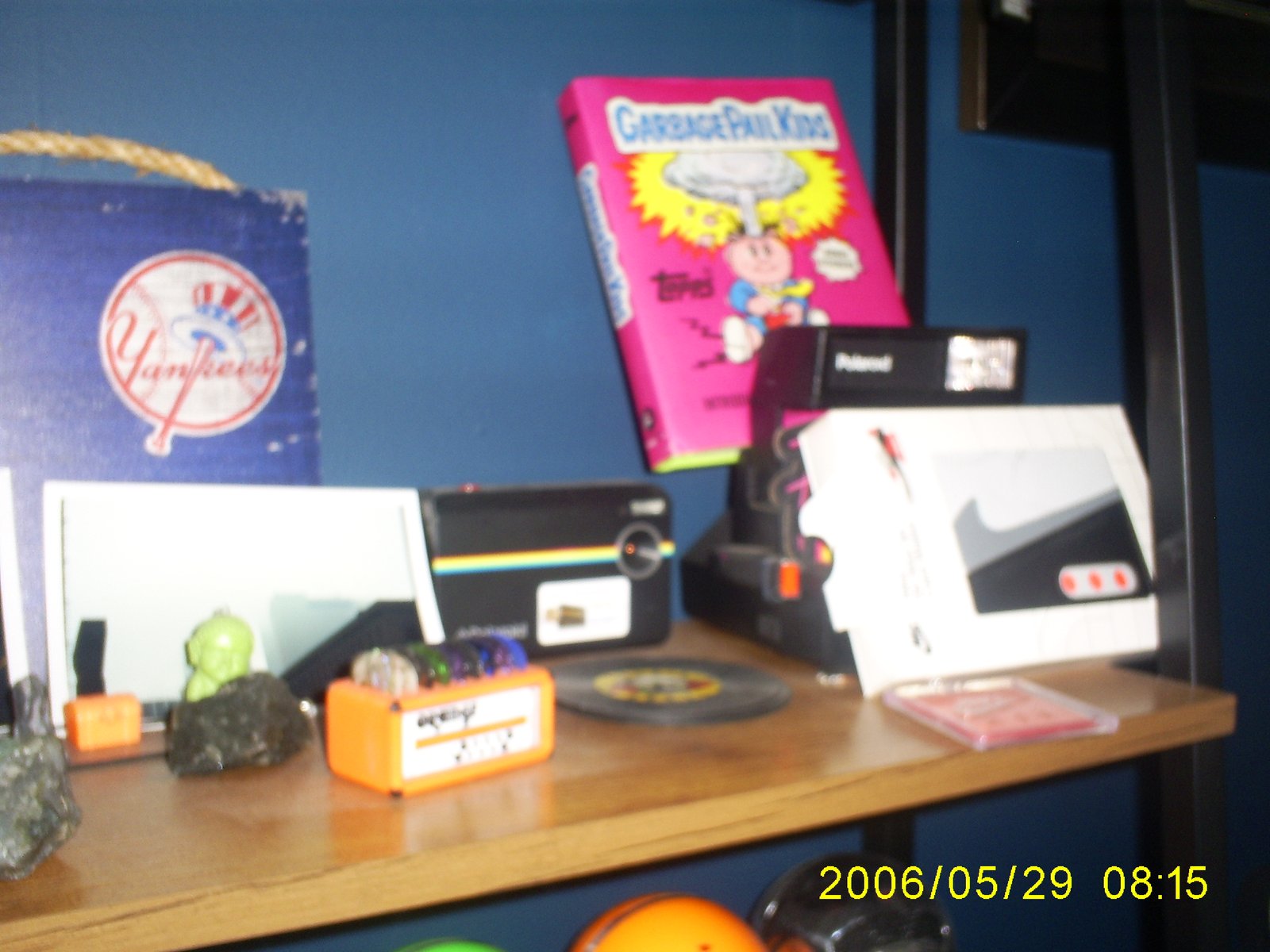
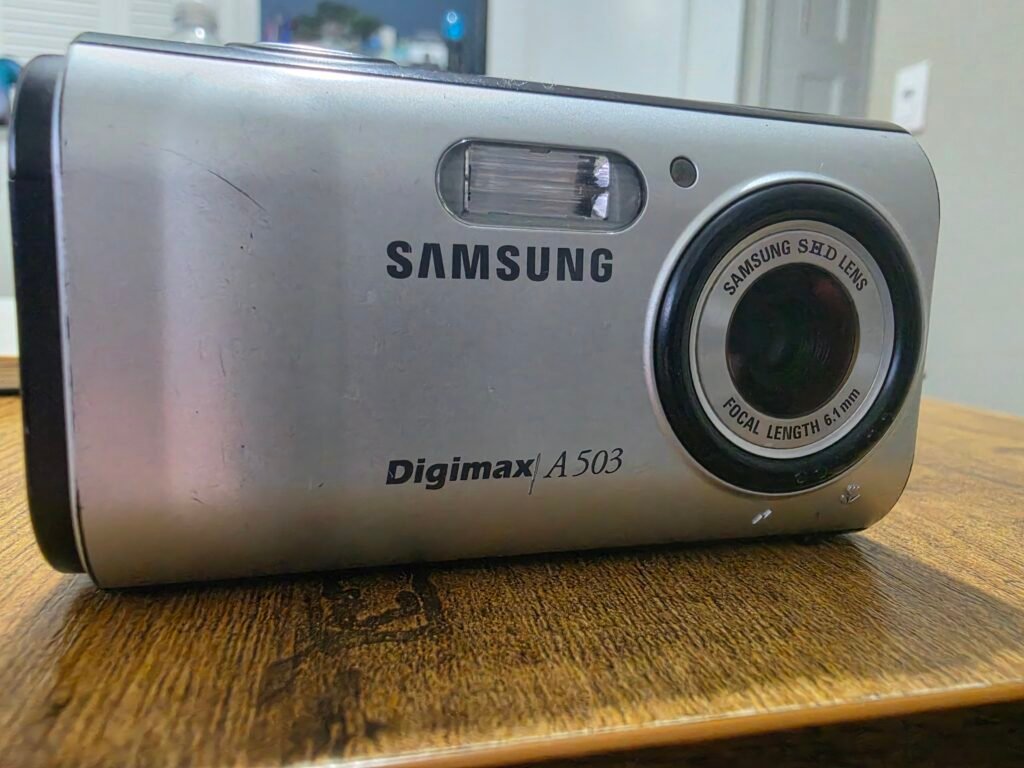
Is the Samsung Digimax A503 worth buying in 2026 or 2027? Absolutely, if you can find a working one for cheap and you’re interested in the early-2000s digicam look. Introduced in 2006, the A503 is a 5-megapixel CCD digital camera with a fixed lens, built-in flash, AA battery power and absolutely no interest in connecting you to the internet. It’s fun, imperfect and not particularly good in low light. I paid $14 for mine, including shipping. At that price, I have very few complaints.
A small box from Vinted recently arrived at my house. Inside, buried under the bubble wrap and a generous amount of protective packing, was a silver plastic brick.
The Samsung Digimax A503.
Total investment: $14. Shipping included.
The kind seller left AA batteries in compartment. I hit the power button. The tiny LCD came to life. So far, so good.
Then I hit playback.
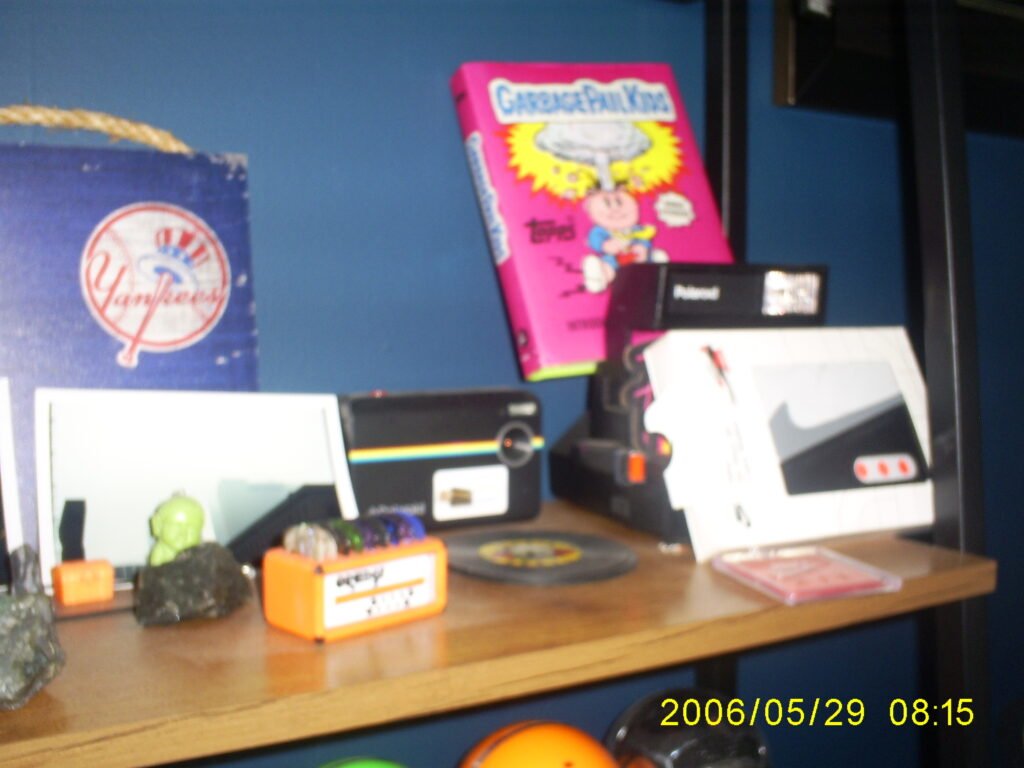
Nine pictures. All dated 2006. And the photo quality is so sketchy, I actually can’t tell if these photos are vintage or the seller taking a few last-minute pictures to make sure the camera worked.
I laughed.
The camera itself is nothing special. Five megapixels. A tiny screen. No optical zoom. And when the “zoomed” photos save, the camera screams at you to be patient: “PROCESSING!”
But that was the attraction.
We all know smartphones can do the job, and do it 100x better. Meanwhile, I just spent $14 on a camera that struggles with basic indoor photography.
And I’m having a blast.


Samsung Digimax A503 Specs: What You’re Actually Getting
Let’s start with the technical stuff, because anyone searching for a Samsung Digimax A503 review probably wants to know whether this thing is worth buying or belongs in an electronics recycling bin.
The A503 was introduced in January 2006 with a retail price of approximately $139. That put it firmly in the budget digital camera category.
Not exactly cutting-edge technology.
Even then.
But twenty years later, some of its limitations have become part of the appeal.
| Feature | Samsung Digimax A503 | What It Means in 2026 |
|---|---|---|
| Release | January 2006 | A genuine early-2000s digital camera |
| Sensor | 5MP, 1/2.5-inch CCD | Modest resolution and an older image-processing look |
| Maximum photo size | 2560 × 1920 pixels | Fine for casual pictures and small prints |
| Lens | Fixed 6.1mm, approximately 36mm equivalent, f/3.2 / f/7.0 | No optical zoom; a useful everyday field of view |
| Focus | Fixed focus with normal and macro settings | Normal from about 1m; macro down to 20cm |
| Digital zoom | 5x | Image enlargement without optical detail; best avoided |
| ISO | Auto, 100, 200, 400 | Limited low-light flexibility |
| LCD | 2 inches, 115,000 pixels | Good enough to frame shots, not ideal for inspecting them |
| Flash | Built-in, approximately 0.2–3m range | Useful indoors, with that unmistakable direct-flash look |
| Storage | Approximately 24MB internal; SD/MMC slot | Samsung guarantees memory cards up to 1GB |
| Video | AVI, up to 640 × 480 at 24fps | Properly old-school video quality |
| Batteries | 2 AA alkaline or NiMH rechargeable; CR-V3 also supported | No proprietary 20-year-old battery to hunt down |
| Weight | Approximately 98g without batteries/card | Small and easy to carry |
The lens is wonderfully basic
The A503 has a fixed 6.1mm lens, roughly equivalent to 36mm on a full-frame camera.
For everyday photography, that’s a perfectly usable focal length.
Street scenes. Friends. Pets willing to cooperate. Random objects that, for some reason, look interesting enough to photograph.
What you don’t get is optical zoom.
Samsung advertised 5x digital zoom, which sounds impressive until you remember that digital zoom is essentially the camera enlarging part of an image. You’re not getting additional optical detail.
My recommendation?
Leave it off.
Want to get closer to something? Walk toward it.
Congratulations. You’ve discovered the original zoom technology.


The Samsung Digimax A503 Battery Problem
Now for my biggest gripe.
THIS THING EATS BATTERIES.
With fresh Duracell alkalines, I got roughly 25 shots before the low-battery indicator started flashing.
That’s not a scientific battery-life test, but it’s enough to tell me I don’t want to be feeding this camera disposable AA batteries every time I leave the house.
The built-in flash doesn’t help; aging digital cameras can be particularly unforgiving when battery voltage starts to drop.
Fortunately, the A503 doesn’t require some obscure proprietary Samsung battery that’s been discontinued since the (second) Bush administration.
Samsung’s original documentation lists high-capacity alkaline AAs, rechargeable NiMH AAs and a compatible CR-V3 battery.
For regular use, I’d start with a quality pair of rechargeable NiMH batteries and a decent charger. Panasonic Eneloops are one option.
I haven’t established exactly how many shots a fully charged pair will deliver in my camera, so I’m not going to promise you’ll get through an entire vacation without swapping batteries.
But rechargeables certainly make the economics of using a $14 camera a little more appealing.
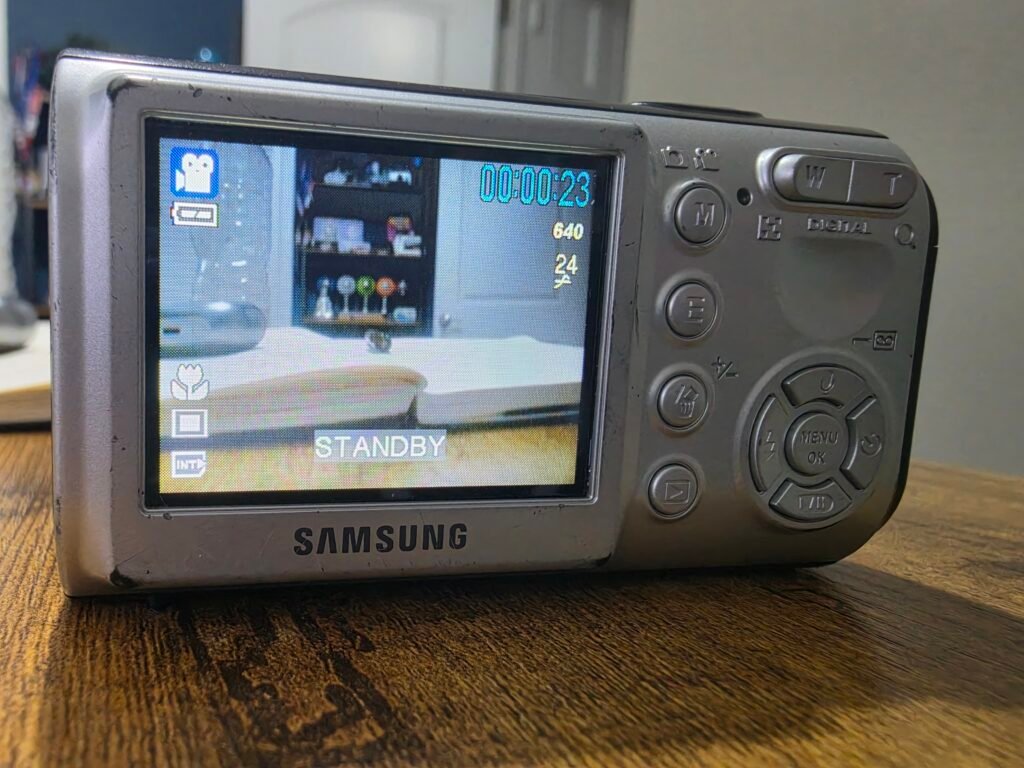
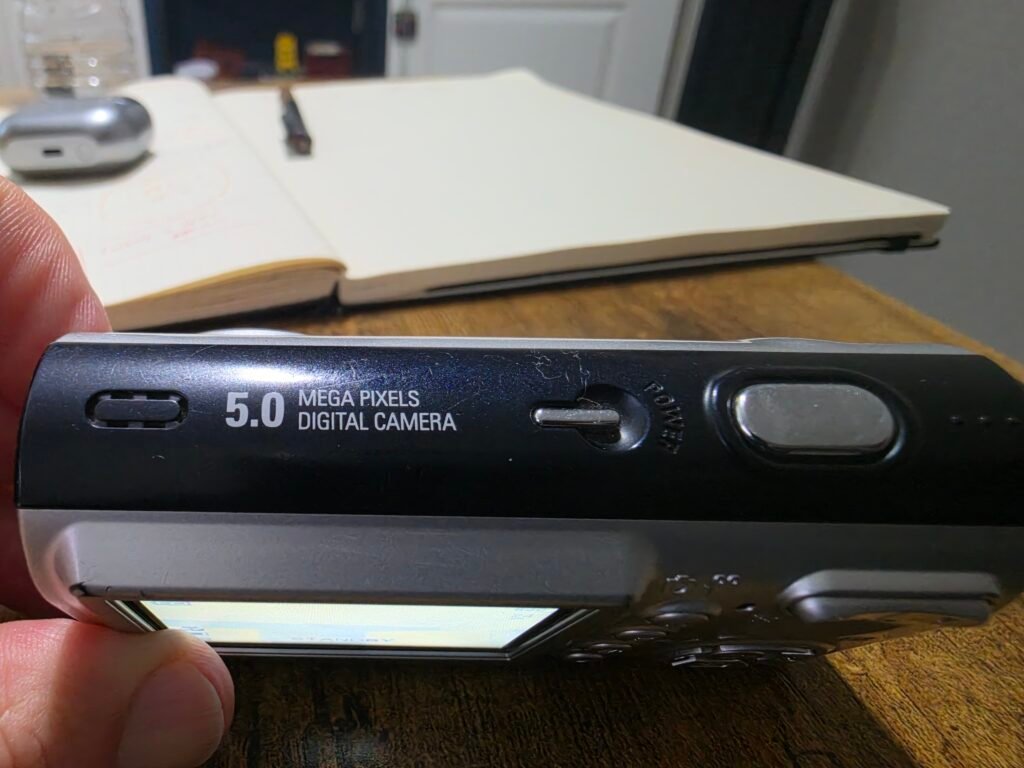
What Do Photos From the Samsung Digimax A503 Actually Look Like?
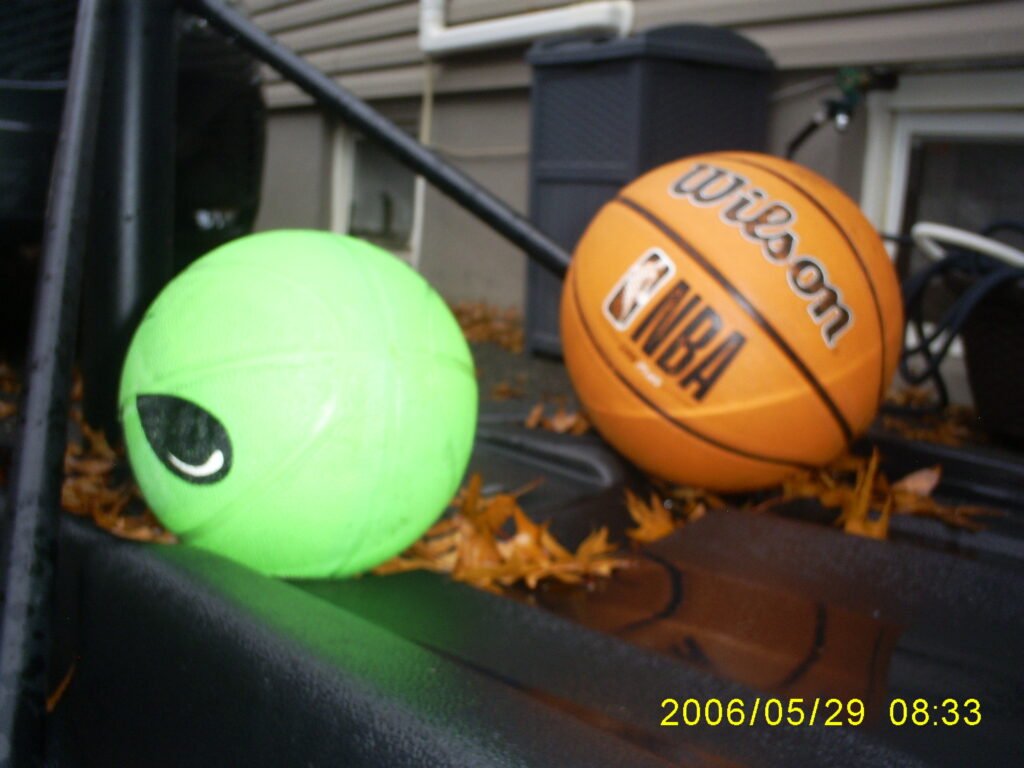
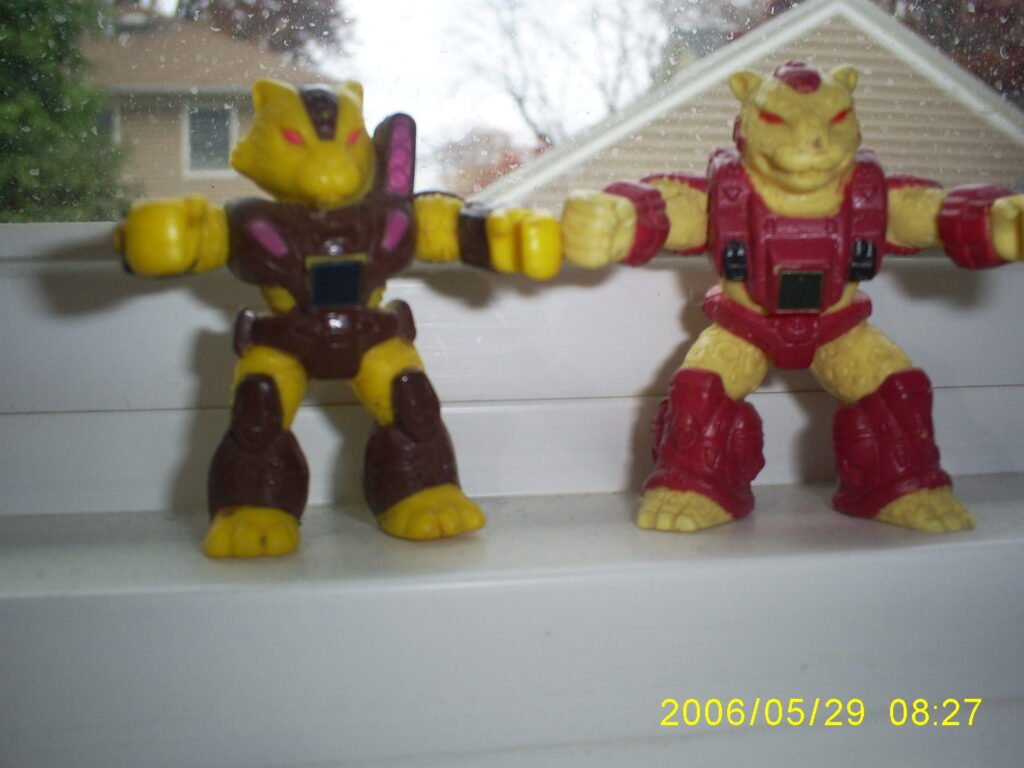
The Samsung Digimax A503 takes photos that look like they came from an inexpensive digital camera in 2006.
Because they did.
And that’s exactly what I wanted.
It’s working with a small CCD sensor, older image processing, a fixed-focus lens and a relatively basic flash. The results can be soft. Highlights can blow out. Indoor shots without flash can turn into a blurry mess. And when the flash fires directly at somebody standing a few feet away?
Welcome back to the mid-2000s.
There is something wonderfully familiar about those photographs.
Not necessarily better and certainly not more accurate. But they are…different.


The CCD look: What makes old digicam photos different?
There’s been a renewed interest in old CCD digital cameras, particularly among people searching for the Y2K photography aesthetic.
The term gets thrown around quite a bit.
CCD sensors aren’t magical, and they don’t automatically make every photo warm, nostalgic or beautiful. The color comes from a combination of sensor characteristics, lens design, white balance, flash and the camera’s image processing.
But when you combine all of that technology from twenty years ago, the results can look noticeably different from a modern smartphone photo.
The A503 gives you lower resolution, sometimes harsh contrast, direct-flash portraits and a degree of imperfection that today’s phones are designed to eliminate.
A poorly exposed picture of an ordinary object can end up looking like something pulled from an old MySpace profile.
Which, depending on your age, is either a selling point or a reason to run away.
For me?
Selling point.
Why Bother With a $14 Digicam When Your Phone Is Better?
You Don’t Know Exactly What You Captured
Remember when taking pictures involved a little uncertainty? The A503 brings some of that back. Its two-inch LCD, with a whopping 115,000 pixels, is good enough for framing a shot but pretty lousy at telling you whether it’s actually sharp. A photo that looks perfectly fine on the camera might turn out to be a blurry disaster when viewed on a computer. And occasionally, something you barely thought about photographing turns out surprisingly well.
There’s something enjoyable about reviewing the photos later, a bit like picking up prints at the drugstore and discovering what you actually captured. Except now you don’t have to wait three days or pay to develop thirty-six pictures of your thumb.
The Limitations Make You Work a Little
The A503 isn’t interested in making photography easy. Its fixed lens means you have to physically move to frame a shot, the ISO tops out at 400, and the flash is about as subtle as you’d expect from a twenty-year-old budget camera. Forget photographing anything that moves too quickly, either.
But I like having to work around those limitations. They force me to pay a little more attention to what I’m photographing instead of relying on the camera to figure everything out. I wouldn’t want every camera I own to behave this way, but for casual snapshots and a little experimentation, it’s part of the charm.
And for $14, I’m willing to overlook quite a bit.

Six Tips for Better Samsung Digimax A503 Photos
After spending time with the camera, here are the things I’d recommend to somebody picking one up today.
- Use the flash indoors. With an ISO ceiling of 400, the A503 isn’t much of a low-light performer. The flash gives you a better chance of capturing people without excessive blur.
- Pay attention to distance. Normal focus starts at roughly one meter. For close subjects, switch to macro mode, which supports distances down to about 20cm.
- Give the camera time. It’s not an iPhone. If you’re trying to capture your dog mid-jump or a kid running across the yard, be prepared for missed shots. Anticipate the action rather than expecting instant response.
- Avoid digital zoom. The camera offers 5x digital zoom, but you’ll generally get better results shooting at the native focal length.
- Experiment with direct flash. That bright, imperfect party-photo aesthetic is one of the reasons people are buying these cameras again.
- Try the built-in effects. The A503 includes black-and-white, sepia and color-effect options. They aren’t sophisticated, but that’s hardly the point.
One additional suggestion: take the camera outside during the day before judging its image quality. Good natural light gives this little CCD a much better fighting chance.
Samsung Digimax A503: Pros and Cons
| What I Like | What I Don’t |
|---|---|
| Genuine early-2000s digicam character | Poor low-light performance without flash |
| Five-megapixel CCD sensor and straightforward controls | Alkaline battery life can be frustrating |
| Uses common AA batteries or compatible CR-V3 power | No optical zoom |
| Small enough to throw in a bag | Tiny, low-resolution screen |
| No Wi-Fi, apps or notification distractions | Older technology can be slow and unpredictable |
| My $14 purchase was a bargain | Used units may have battery corrosion or other age-related problems |
Who Should Buy a Samsung Digimax A503 in 2026?
I’d recommend it to somebody who enjoys old technology, likes the Y2K digital-camera aesthetic, or wants a cheap way to experiment with taking pictures away from their phone.
It’s also a fun camera to bring to a party or on a casual day trip, provided you’re willing to accept imperfect results.
And if you’re interested in the Slow Tech movement, it makes a surprisingly good case for using a dedicated device rather than another smartphone app.
I’d skip it if you’re looking for a dependable camera for sports, concerts, nighttime photography or important family events.
The A503 is a toy in the best sense of the word.
Fun to use. Interesting to experiment with. Completely unnecessary.
Some of my favorite technology falls into that category.
What to Check Before Buying a Used Samsung Digimax A503
If you find one on Vinted, eBay, Poshmark or at a thrift store, resist the urge to buy it just because somebody has included “Y2K” in the listing title.
That word has become surprisingly expensive.
Here’s what I’d check before handing over your money.
- Confirm that it powers on. Ask for a photo of the LCD working and, ideally, a fresh test picture.
- Inspect the battery compartment. White or greenish corrosion from leaking batteries can turn a cheap camera into a repair project.
- Check the lens and cover. The A503 uses a fixed lens, not a retractable zoom mechanism. Look for scratches, cracks or damage around the lens opening.
- Test the flash. Make sure it charges and fires. Mine consumes enough battery power to make this a particularly important test.
- Check the display and buttons. Scratches are one thing. A screen that doesn’t display an image or buttons that don’t respond are another.
- Use an older SD card. Samsung’s manual guarantees cards up to 1GB. Some larger standard SD cards may work, but I’d start with a compatible 1GB card rather than gamble on SDHC compatibility.
- Ask whether it includes sample photos. A recent test image is better evidence of a functioning camera than a listing that simply says “turns on.”
How much should you pay?
I paid $14, including shipping, which I consider an excellent deal.
I wouldn’t assume every working A503 sells for $10 to $20, though. Used prices vary, and tested examples can sell closer to $30 or more.
For me, the appeal is getting an inexpensive piece of photographic history, not paying a premium because it’s suddenly fashionable.
If the price starts climbing, I’d look at other vintage digicams before committing.
I’ve already explored a more sophisticated CCD option in my Fujifilm FinePix Z90 review.
The two cameras are very different, but both make the case for occasionally leaving the smartphone in your pocket.
The Verdict: Is the Samsung Digimax A503 Worth It?
For $14? Absolutely! Would I pay $100 for one? Not a chance.
The Samsung Digimax A503 is slow, basic. But I didn’t buy it because I wanted better photos. I bought it because I wanted to enjoy taking them. There’s a difference.
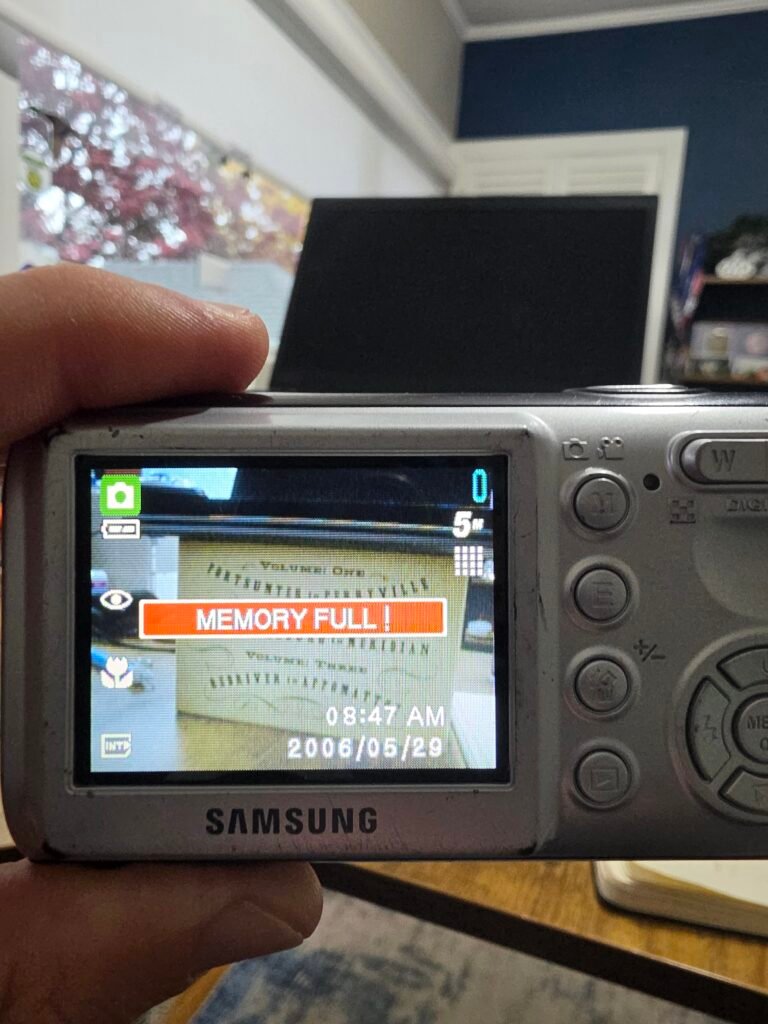
The A503 has approximately 24MB of internal memory, which means old pictures can survive inside the camera even when there’s no SD card inserted. If you buy one used, check both places, and respect the previous owner’s privacy.
Samsung Digimax A503 Frequently Asked Questions
When was the Samsung Digimax A503 released?
The Samsung Digimax A503 was introduced in January 2006 as an entry-level 5-megapixel digital camera. Its original U.S. retail price was approximately $139.
What memory card does the Samsung Digimax A503 use?
The A503 accepts standard SD and MMC memory cards. Samsung officially guarantees compatibility with cards up to 1GB. It predates SDHC, so modern 4GB, 16GB and 32GB SDHC cards should not be assumed compatible. The camera also has approximately 24MB of internal storage.
What batteries does the Samsung Digimax A503 use?
The A503 supports two high-capacity alkaline AA batteries, two compatible rechargeable NiMH AA batteries or a CR-V3 battery. For frequent use, NiMH rechargeables are a practical choice.
Why does my Samsung Digimax A503 turn off with fresh batteries?
Low battery voltage, weak or aging alkaline cells, dirty contacts or a fault in the camera can cause power problems. Try a fresh matched pair of compatible batteries, inspect the contacts for corrosion and test the camera with the flash disabled. If it still shuts down, the problem may be hardware-related.
How do I transfer photos from the Samsung Digimax A503 to my computer?
Photos stored on an SD card can generally be transferred with a compatible card reader. For photos in the camera’s internal memory, use the camera’s USB connection or its built-in Copy to Card function to copy the images to an inserted SD card first. The original manual describes both USB transfer and the Copy to Card feature.
Does the Samsung Digimax A503 have optical zoom?
No. It has a fixed 6.1mm lens, approximately equivalent to 36mm on a full-frame camera. Its advertised 5x zoom is digital, not optical.
Does the Samsung Digimax A503 shoot video?
Yes. It records AVI video at resolutions up to 640 × 480 pixels and 24 frames per second, with audio. It’s perfectly suitable for intentionally retro home-video experiments, but not a practical replacement for a modern video camera. I was able to fit a whopping 23 seconds with the internal memory.
Does the Samsung Digimax A503 have Wi-Fi?
No. It has no built-in Wi-Fi, Bluetooth, social apps or cloud connectivity. Photos are stored locally on the memory card or internal memory.
Is the Samsung Digimax A503 good for the Y2K camera aesthetic?
Yes, particularly if you like the look of inexpensive digital cameras from the early 2000s. Its 5MP CCD sensor, direct flash, basic image processing and limited dynamic range can produce the kind of imperfect snapshots associated with that era. Results depend heavily on lighting and camera settings.